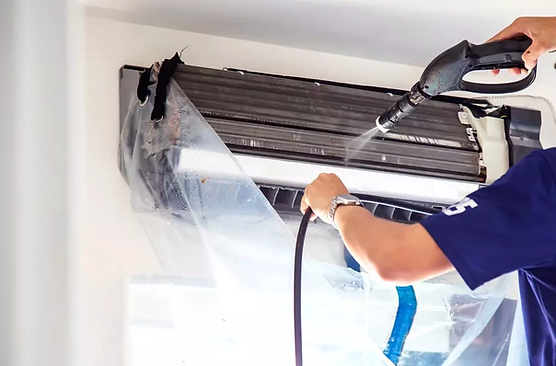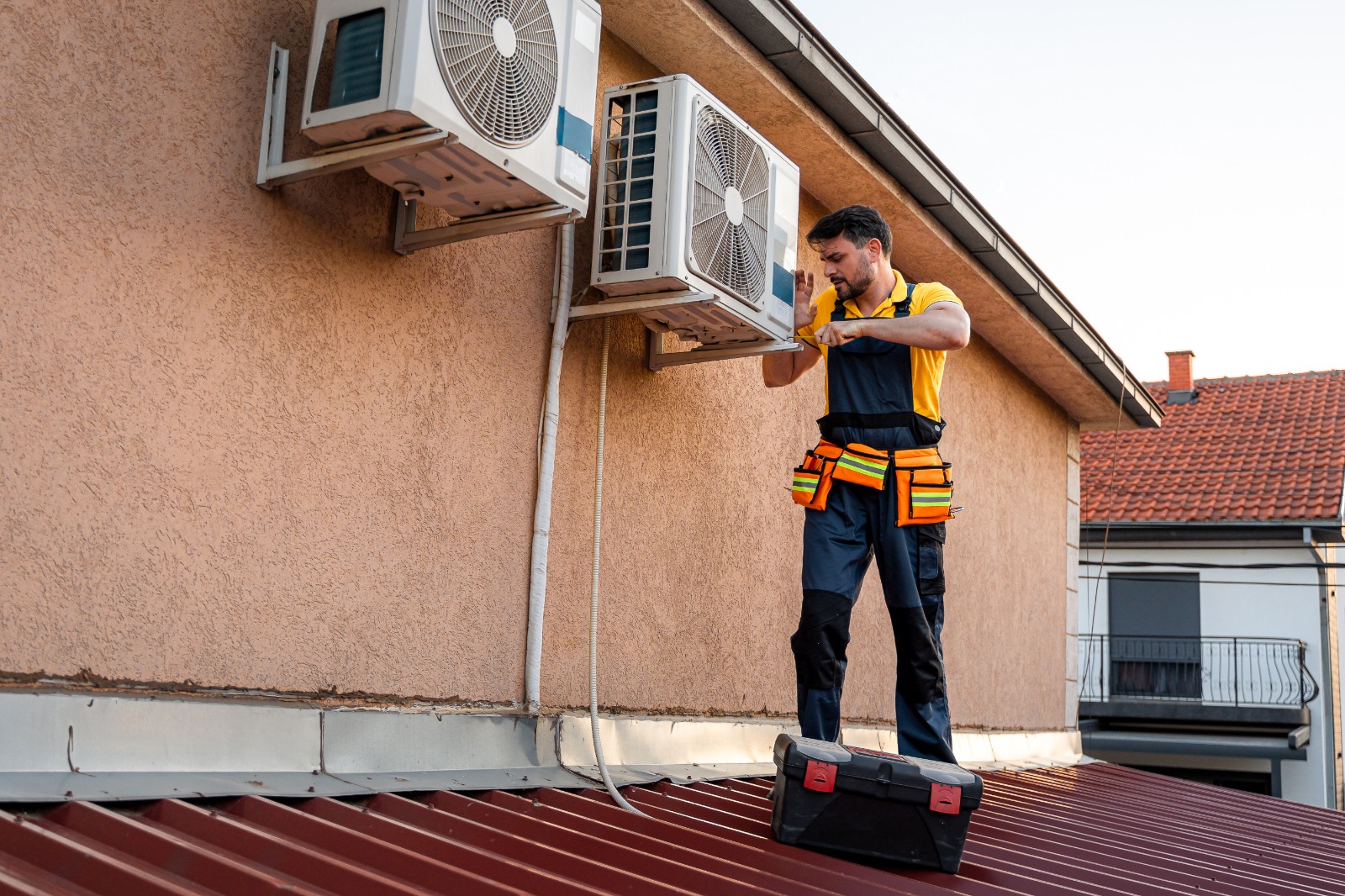
Understanding the correct HVAC maintenance schedule is one of the most important factors in keeping your heating and cooling system efficient, reliable, and long-lasting. Many homeowners in Salt Lake City only think about HVAC servicing when the system breaks down, but by that time, the damage is often already expensive.
Your HVAC system runs throughout the year—cooling in summer and heating in winter—so it requires consistent attention. Following a proper hvac maintenance schedule ensures better performance, lower energy bills, and fewer unexpected repairs.
In this guide, we’ll explain exactly how often you should service your HVAC system, what affects service frequency, and why regular maintenance is essential for homeowners.
Why HVAC Maintenance Schedule Matters
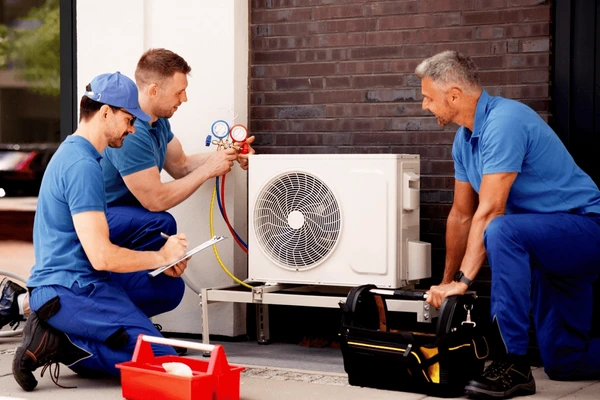
A proper maintenance schedule is not just a recommendation—it is a necessity. HVAC systems contain multiple components that wear down over time, including filters, coils, fans, compressors, and electrical connections.
Without regular servicing:
- Energy efficiency drops
- Utility bills increase
- System lifespan decreases
- Breakdowns become more frequent
That’s why experts always recommend following a structured HVAC maintenance plan.
👉 Recommended service:
https://hvaccompanysaltlakecity.com/salt-lake-city-ac-maintenance/
Standard HVAC Maintenance Schedule
The general rule followed by HVAC professionals is:
✔ Twice a Year Maintenance
Your HVAC system should be serviced:
- Once in Spring (Cooling preparation)
- Once in Fall (Heating preparation)
This biannual schedule ensures your system is ready for extreme weather conditions.
Spring HVAC Service
Before summer arrives, your cooling system should be fully inspected and optimized.
Spring maintenance includes:
- Cleaning condenser coils
- Checking refrigerant levels
- Inspecting thermostat performance
- Testing airflow efficiency
- Examining electrical connections
This ensures your AC runs efficiently during peak heat.
Fall HVAC Service
Before winter starts, your heating system needs proper inspection.
Fall maintenance includes:
- Furnace or heat pump inspection
- Burner cleaning
- Heat exchanger checks
- Safety testing
- Filter replacement
This ensures safe and reliable heating during cold months.
How Often Should Different HVAC Systems Be Serviced?
Different systems require slightly different maintenance schedules:
1. Central Air Conditioning Systems
- Service: Every 6 months
- Reason: Heavy seasonal usage
2. Furnaces
- Service: Once per year
- Reason: Primarily used in winter
3. Heat Pumps
- Service: Every 6 months
- Reason: Used year-round
4. Ductless Mini-Splits
- Service: Every 6–12 months
- Reason: Continuous operation in some homes
Factors That Affect HVAC Maintenance Frequency
Not every home has the same needs. Your HVAC maintenance schedule may vary depending on:
1. Climate Conditions
In Salt Lake City, extreme temperature shifts mean HVAC systems work harder year-round.
2. System Age
Older systems require more frequent inspections and servicing.
3. Usage Level
Homes with constant HVAC usage need more frequent maintenance.
4. Indoor Air Quality Needs
If you have pets, allergies, or dust issues, filters may need frequent replacement.
Signs Your HVAC Needs Immediate Service
Even if you’re following a schedule, sometimes your system needs urgent attention.
Watch for:
- Weak airflow
- Uneven temperature
- Strange noises
- Rising energy bills
- AC not cooling properly
- Furnace not heating efficiently
If you notice these issues, do not wait for scheduled maintenance.
👉 Emergency help:
https://hvaccompanysaltlakecity.com/salt-lake-city-ac-service/
Benefits of Following a Proper HVAC Maintenance Schedule
Sticking to a regular maintenance schedule provides long-term benefits:
1. Lower Energy Bills
A clean, well-maintained system uses less energy.
2. Longer System Lifespan
Regular servicing reduces wear and tear.
3. Fewer Repairs
Small issues are fixed before becoming major problems.
4. Better Indoor Air Quality
Clean filters reduce dust and allergens.
5. Improved Comfort
Consistent temperature and airflow throughout your home.
What Happens If You Skip HVAC Maintenance?
Skipping maintenance can lead to serious problems such as:
- System overheating
- Compressor failure
- Refrigerant leaks
- Poor airflow
- Higher repair costs
Eventually, it may lead to full system replacement, which is far more expensive.
Professional HVAC Maintenance vs DIY
While homeowners can handle basic tasks like filter replacement, professional servicing is essential for full system health.
Professional maintenance includes:
- Electrical system inspection
- Refrigerant level checks
- Coil cleaning
- Full system diagnostics
- Safety testing
DIY maintenance alone is not enough for long-term performance.
Recommended HVAC Maintenance Plan
For optimal performance, follow this schedule:
- Spring: Full AC servicing
- Summer: Performance check if needed
- Fall: Heating system servicing
- Winter: Emergency inspections if required
Conclusion
Your HVAC system is one of the most important systems in your home, and maintaining it on a proper hvac maintenance schedule ensures long-term performance, safety, and efficiency.
By servicing your system twice a year and addressing issues early, you can save money, improve comfort, and extend the lifespan of your HVAC unit.
If you want reliable performance year-round, professional maintenance is not optional—it is essential.
FAQs
1. How often should HVAC systems be serviced?
Twice a year—spring and fall is recommended.
2. What is the best HVAC maintenance schedule?
Biannual maintenance is the industry standard.
3. Can I skip HVAC maintenance for one year?
Not recommended, as it increases breakdown risk.
4. Does HVAC maintenance reduce electricity bills?
Yes, it improves efficiency and reduces energy consumption.
5. When should I call a professional immediately?
If your system stops cooling, heating, or makes unusual noises.